
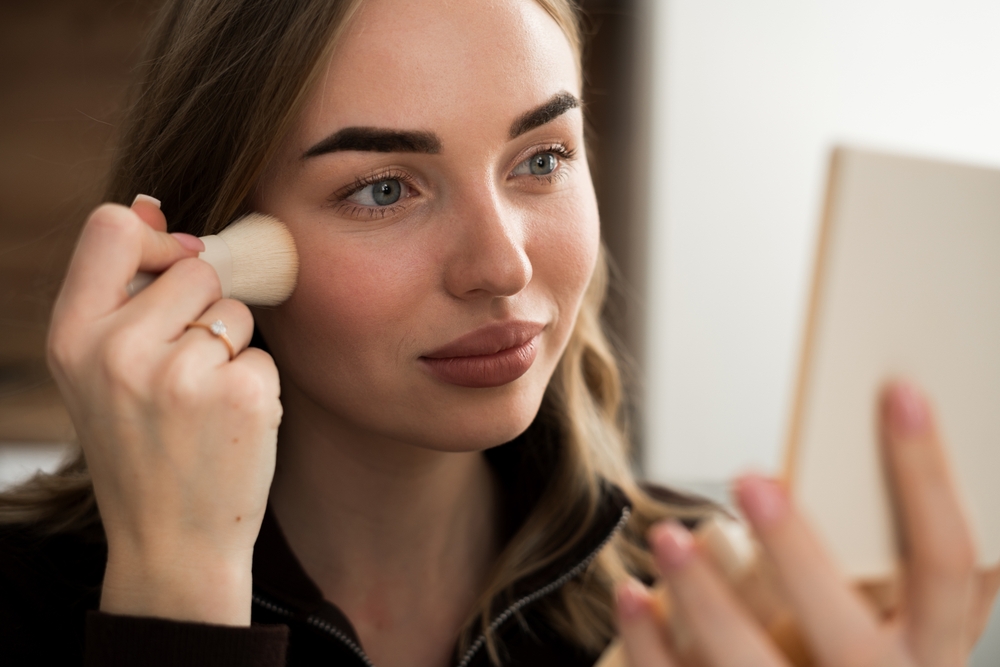
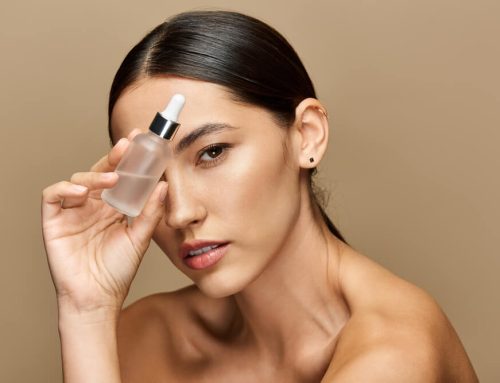
You did everything right. Cleanser, serum, moisturizer, maybe even a fancy face-oil finale. Your skin feels like a hydrated dream. And yet, thirty seconds after you blend your base, it looks like you rubbed chalk on your cheekbones.
Confusing? Absolutely. Rare? Not even a little. Let’s talk about why foundation looks dry even when your skin technically isn’t — and what’s actually happening under (and on top of) the surface.
“But I Moisturized!” — Why That’s Not the Whole Story If Your Foundation Looks Dry
Here’s the plot twist: moisturized skin and a moisturized-looking finish are not the same thing. Your skin can be perfectly hydrated underneath while the top layer of makeup behaves like it’s never seen water in its life.
That’s because once foundation hits your face, it’s no longer just about your skin — it’s about chemistry, timing, tools, and a dozen tiny variables working against you at once. When foundation looks dry, the cause is almost never “not enough moisturizer.” It’s usually something happening in the layers on top of your skincare.
The Usual Suspects Behind That Dry, Flat Foundation Finish
Let’s line up the culprits, because a few of these are probably guilty right now.
Mattifying primer under a matte foundation. Doubling up on anything oil-absorbing is basically asking your base to look like drywall. If you’re already prone to a flat finish, skip the extra mattifier — your skin needs some slip to hold onto.
Too much powder, too soon. Setting powder is meant to control shine, not evaporate every ounce of glow. Overloading it — especially in areas that don’t actually get oily — is one of the fastest ways to turn a fresh base chalky by lunchtime.
Formula-skin mismatch. Some foundations are built for oily skin control and simply were never designed to sit pretty on drier textures. No amount of prepping will make an oil-absorbing formula feel dewy — it’s working exactly as intended, just not for your skin type.
Skincare that hasn’t fully absorbed. Applying foundation over half-sunk-in moisturizer causes pilling, patchiness, and an uneven, flaky-looking texture — which reads as “dry,” even though moisture is very much present underneath.
The wrong tool for the job. Dry beauty sponges and stiff brushes can drag pigment across the skin instead of pressing it in, emphasizing texture and creating that dreaded cakey look. A slightly damp sponge, on the other hand, is basically a foundation whisperer.
Environment. Air conditioning, heating, wind, and dry climates pull moisture from everything — including the top layer of your makeup — no matter how good your routine is.
Skincare and Makeup Are Playing Different Games
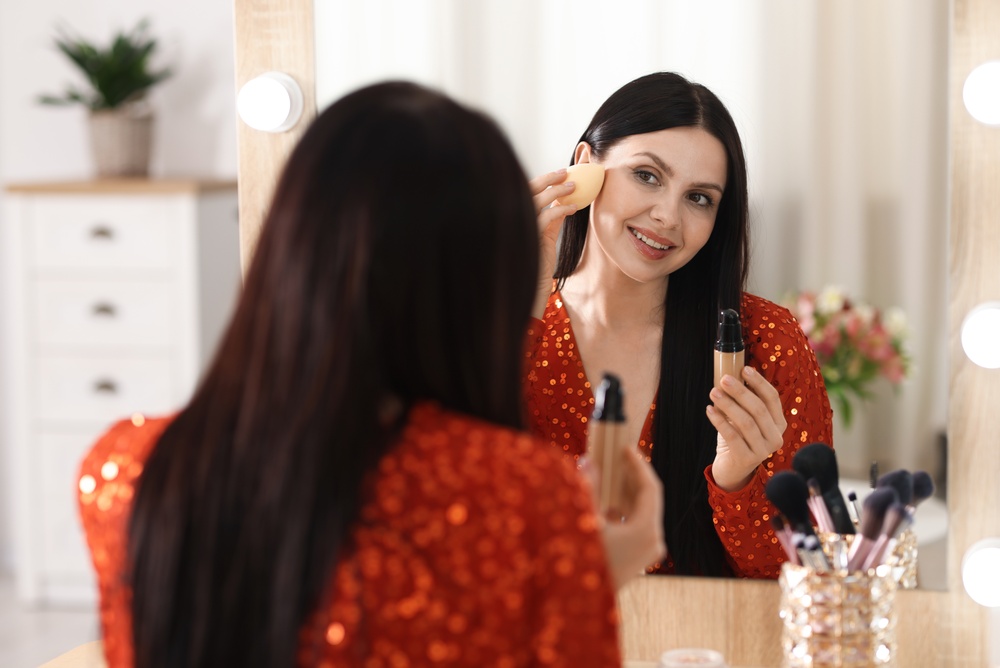
It helps to think of skincare and makeup as two separate teams with two separate jobs. Skincare hydrates the skin itself. Makeup sits on top and has its own rules about texture, finish, and how it reacts to air, oil, and time.
This is why a face that’s glowing pre-makeup can still end up with foundation looking dry by 2 p.m. — the skin barrier is fine, but the makeup layer has its own separate set of problems. It’s the difference between well-watered soil and a plant that still needs its own care on top.
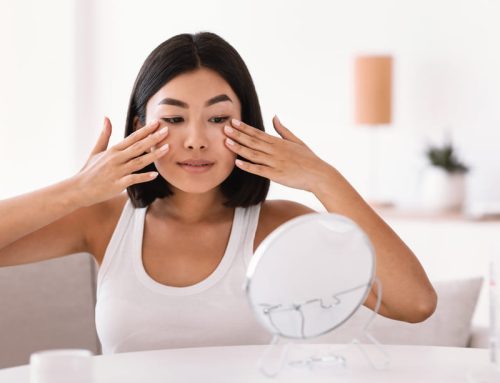
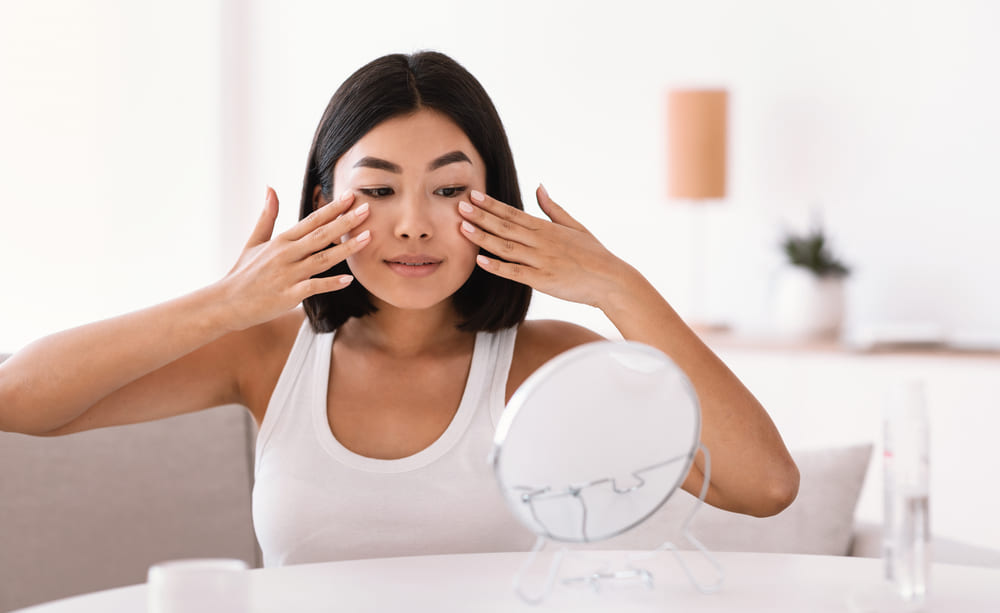
If you want the skin underneath doing its best possible work before base makeup even enters the chat, it’s worth treating that prep step seriously — even something as simple as boosting circulation with a few minutes of facial massage can change how makeup sits later in the day.
How to Actually Fix It (Without Buying Ten New Products)
- Let skincare fully absorb. Give it a solid few minutes before foundation goes anywhere near your face.
- Skip the double mattifying combo. Choose either a hydrating primer or a mattifying one — not both, unless you’re specifically fighting an oil slick.
- Dampen your tools. A barely-wet sponge distributes product far more evenly than a bone-dry one.
- Set only where needed. T-zone, maybe chin — not your entire face like it’s a Renaissance painting.
- Choose formulas built for your skin type, not just the ones influencers are currently obsessed with.
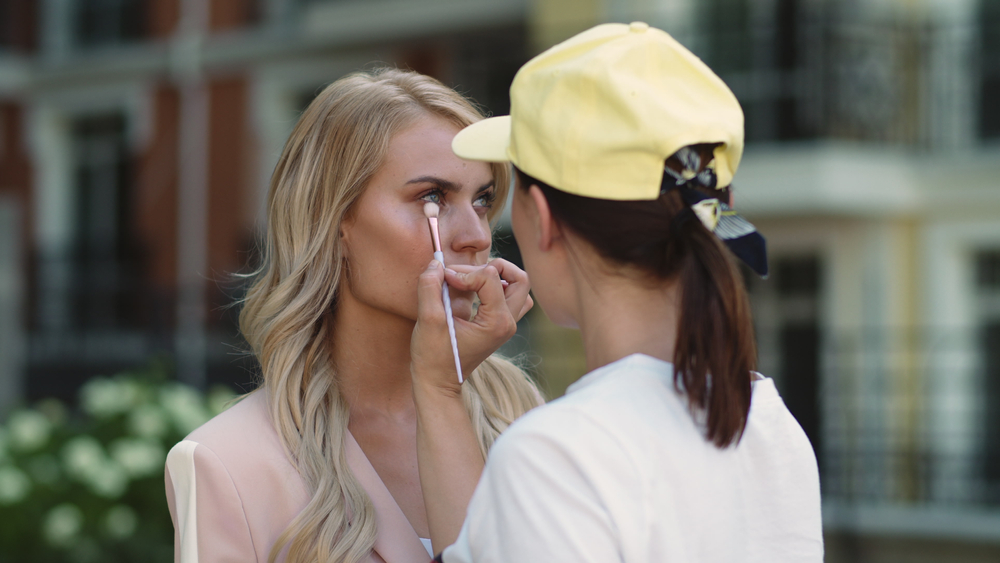
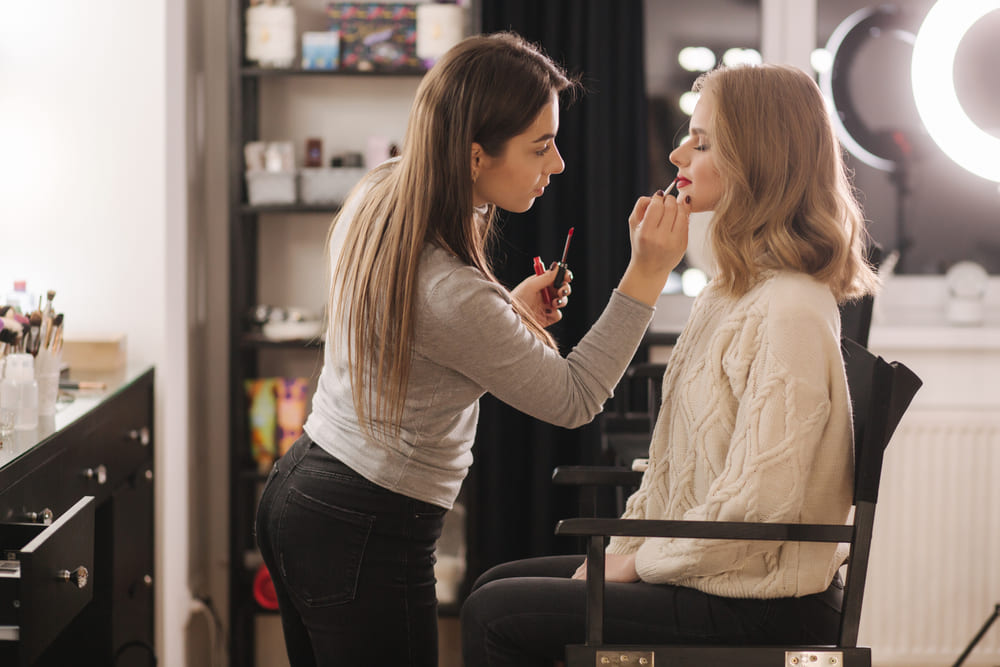
And if you’re someone who loves picking up tricks from people who do this professionally, a few of the makeup techniques celebrity artists swear by are shockingly simple — and most of them focus on prep, not product overload.
When It’s Not Really About the Foundation At All
Sometimes the real issue isn’t your base at all — it’s the skin barrier quietly waving a white flag underneath. Dehydration doesn’t always look dramatic; sometimes it just shows up as makeup that won’t sit right, no matter how many serums you throw at it. If that sounds familiar, it might be worth looking at hydration from the inside out too, since what you’re drinking can matter as much as what you’re applying.
It’s also worth remembering that most of what you see online is curated within an inch of its life. A lot of the flawless, dewy “no-makeup makeup” you scroll past has more going on behind the scenes than anyone admits — which is exactly why some common beauty myths about effortless skin deserve a reality check.
The Bottom Line
If your foundation looks dry despite a solid skincare routine, the fix usually isn’t “moisturize harder.” It’s about matching formula to skin type, respecting absorption time, using the right tools, and not overdoing the powder. Small routine tweaks — even a quick refresh like a fast pre-makeup glow routine — often make a bigger difference than any single “miracle” product.
Your skin was never the problem. Your base just needed a better game plan.

Leave A Comment